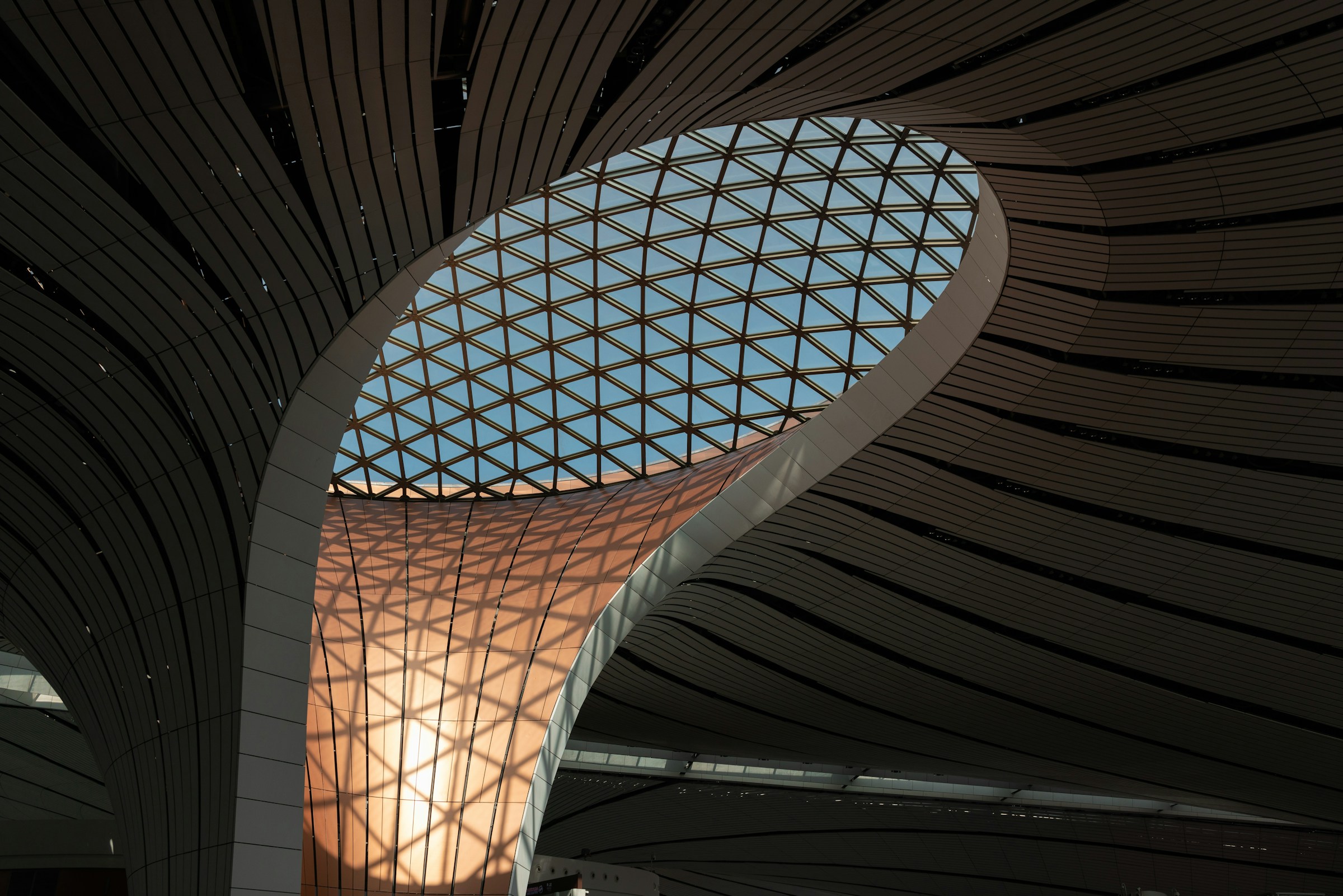
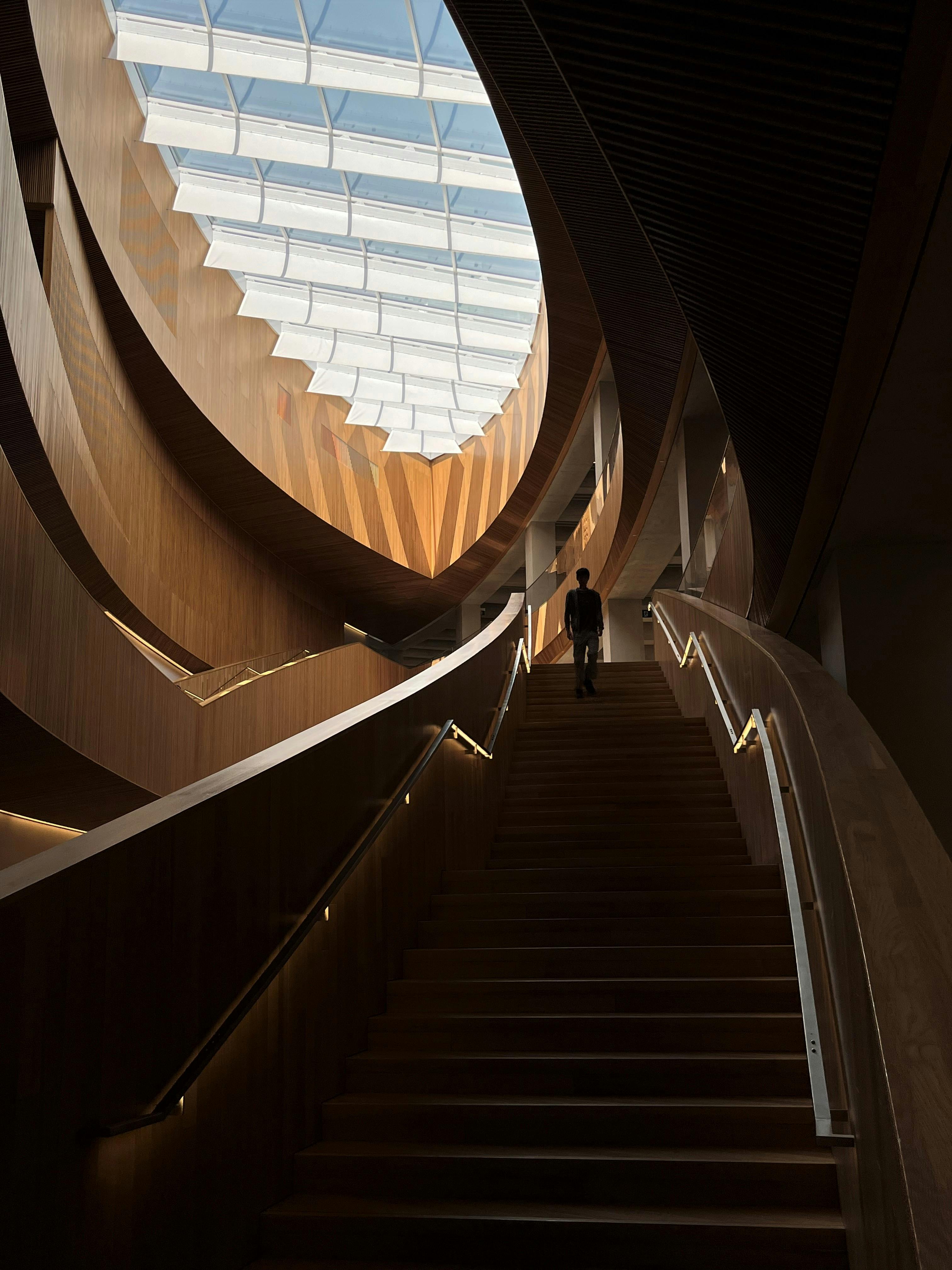
Designing With Light as a Primary Material
Why light isn’t an afterthought—but the starting point of every ARCHVUE project.
Date
Reading time
6 min
Author
Sophia Roberts
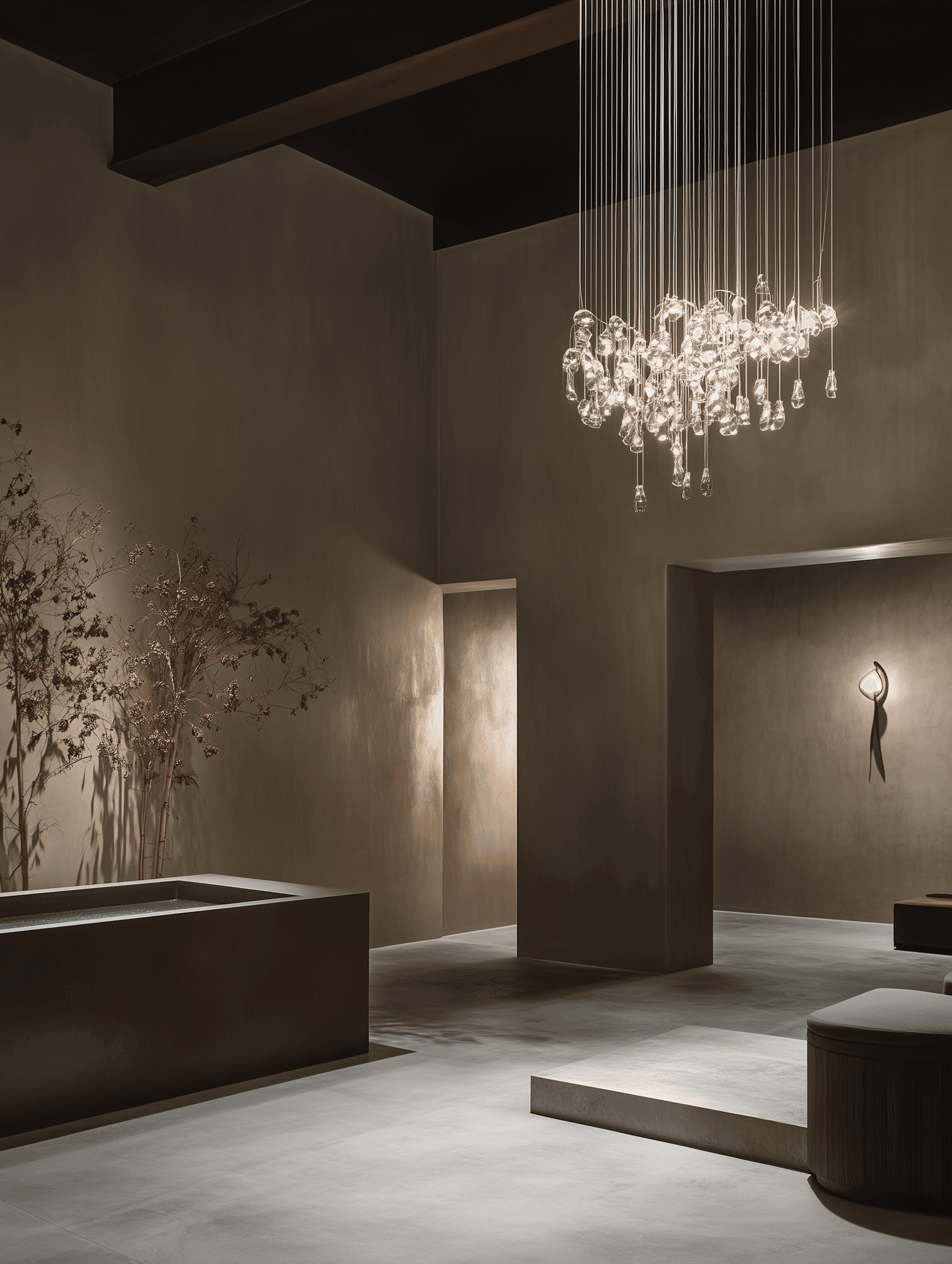
Light is never an afterthought in our work.
At ARCHVUE, it is the first material we design with—long before concrete is poured or steel is specified.
Most architectural processes begin with form: massing, geometry, visual impact. Ours begins earlier, and quieter. We start by observing how light behaves on a site—how it arrives, how it lingers, and how it disappears. These observations become the foundation of every spatial decision that follows.
Light defines space before walls do
A room is not defined by its walls, but by how light moves through it. The same volume can feel expansive or oppressive, calm or restless, depending entirely on light quality.
We study:
The sun’s angle throughout the day
Seasonal shifts in intensity and warmth
Reflections from surrounding surfaces
Shadow patterns cast by neighboring structures
These studies inform where openings are placed, how deep they are recessed, and how surfaces respond to illumination. In many cases, the architecture is shaped around light paths rather than the other way around.
Designing with time, not just form
Light introduces time into architecture. A space at 8 a.m. is not the same space at 6 p.m.
In projects like LUMEN HOUSE, we deliberately designed rooms to change character throughout the day. Morning light activates shared spaces. Afternoon light softens private areas. At dusk, the architecture retreats and allows interior warmth to emerge naturally.
This temporal layering makes spaces feel alive—never static, never finished.
Light as a sustainable strategy
Treating light as a primary material is not just poetic; it’s practical.
By designing with daylight in mind, we reduce reliance on artificial lighting and mechanical systems. Deep overhangs, courtyards, perforated screens, and strategic voids allow us to control heat gain while maintaining brightness.
Sustainability, in this sense, becomes embedded—not added later as a technical requirement.
Restraint over spectacle
There is a temptation in contemporary architecture to dramatize light—to chase visual moments designed for photography. We resist that instinct.
Instead, we focus on restraint. Soft transitions. Gradual contrasts. Light that supports daily life rather than overwhelms it.
When light is used with intention, it doesn’t demand attention. It earns trust.
Architecture that endures
Trends in form come and go. Light remains constant.
By designing with light as a core material, we anchor our work in something timeless. The result is architecture that ages gracefully—spaces that continue to feel relevant long after visual trends fade.
For us, light is not an effect.
It is structure, atmosphere, and memory—working together.
Share this post

Sophia Roberts
Senior Architect