Building Quietly: The Case for Restrained Design
Why subtle architecture often leaves the strongest impression.
Date
Reading time
6 min
Author
Sophia Roberts
In a world filled with visual noise, quiet has become a luxury.
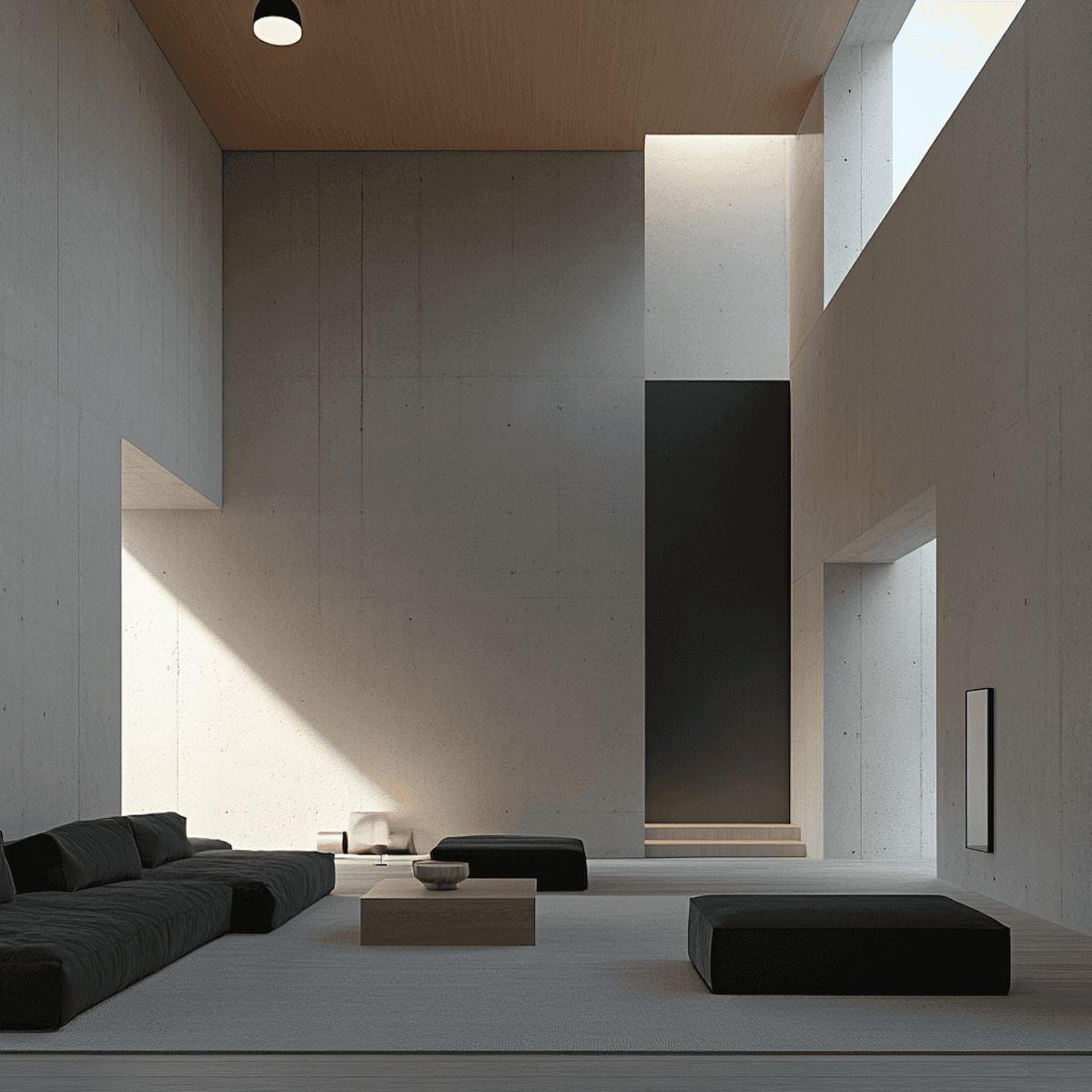
Architecture is no exception. Many contemporary buildings compete for attention through exaggerated forms, aggressive materials, and constant visual stimulation. While this approach can be striking, it often overwhelms the people meant to inhabit the space.
At ARCHVUE, we choose restraint.
Quiet architecture creates room for life
Restrained design is not about absence—it’s about intention.
By reducing unnecessary gestures, architecture creates space for daily life to take center stage. Movement, light, and human presence become the primary actors, rather than the building itself.
Quiet spaces adapt more easily to changing needs because they are not locked into a single narrative.
Less form, more clarity
Restraint forces clarity in decision-making.
When every element must justify its presence, design becomes more disciplined. Proportions matter more. Materials must perform. Details must serve both function and atmosphere.
This approach results in spaces that feel composed rather than curated.
Emotional impact through subtlety
Quiet architecture does not eliminate emotion—it refines it.
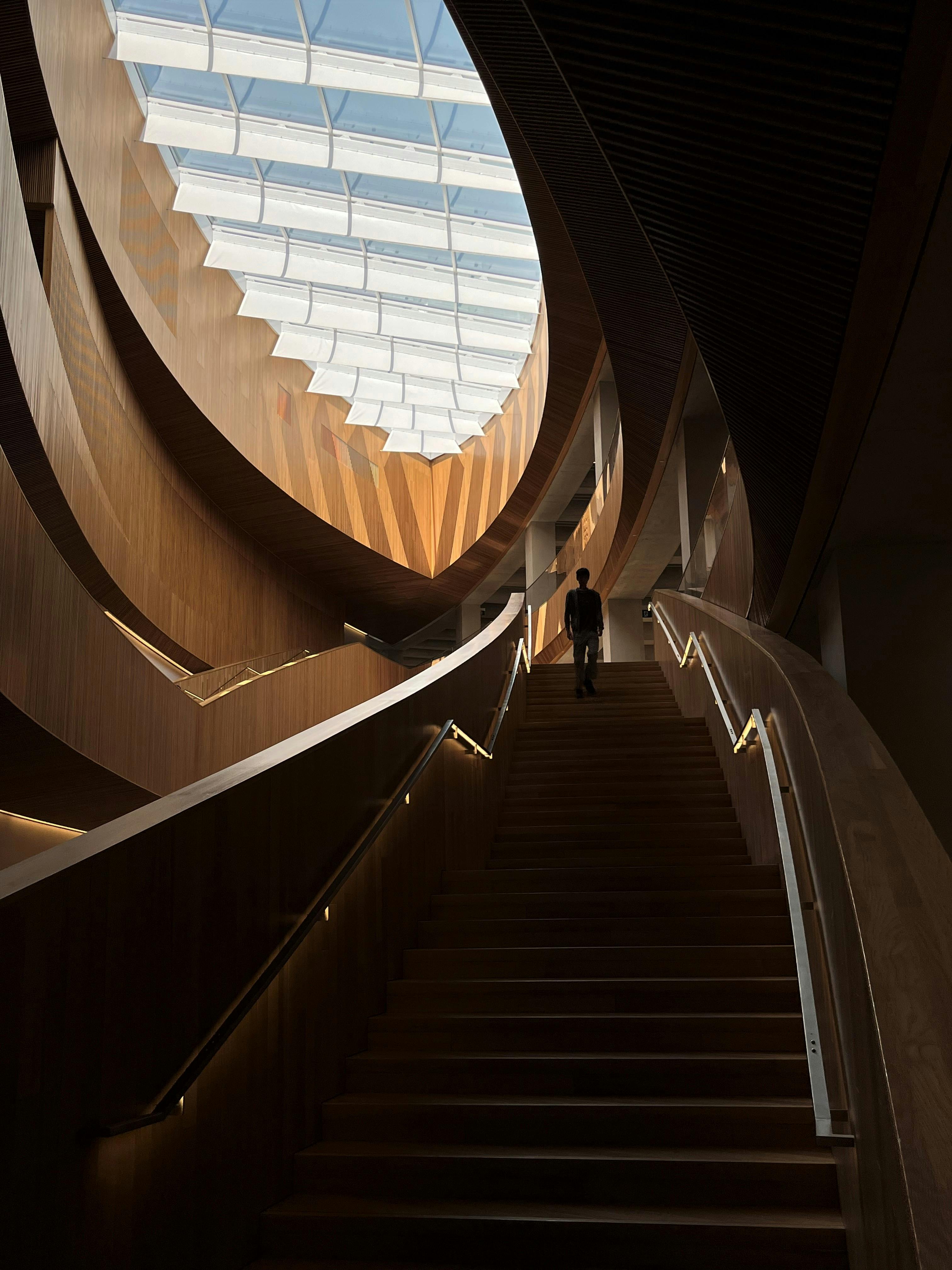
A carefully framed view. A soft transition from light to shadow. A gradual reveal rather than an immediate statement. These moments create deeper, longer-lasting impressions than overt spectacle.
The most memorable spaces are often the calmest.
Longevity through simplicity
Restrained architecture ages well because it avoids excess.
Simpler forms are easier to maintain, adapt, and reinterpret over time. They allow occupants to bring their own stories, objects, and routines into the space without visual conflict.
In this way, restraint supports both sustainability and longevity.
Designing with humility
Quiet architecture accepts that buildings are part of a larger context.
They coexist with people, landscapes, and cities rather than dominating them. This humility allows architecture to feel generous rather than imposing.
At ARCHVUE, building quietly is not a stylistic choice—it’s an ethical one.
Share this post

Sophia Roberts
Senior Architect